So I've been reading this book: Freakonomics. And it's freaking-awesome. One of the chapters dealt with lives of drug dealers or more precisely crack dealers. Being exposed to the psychedelic elements to some extent, I wondered what crack was. Just another drug? Well, it turns out to be "NO".
Before getting into Crack, do we know about cocaine?
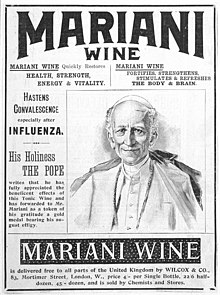
So what's cocaine? Unlike weed/hashish which comes from the cannabis plant, Cocaine comes from the leaves of coca plant. It's a stimulant of the central nervous system, an appetite suppressant and also used as an anesthetic. The coca leaves have been in use by the native Americans since a long time. Chewing the leaves gave them a sense of contentment. When it was first discovered by the European scientists, they used it for medicinal purposes. But soon, it was added to alcoholic drinks. And thus came Cocawine. (Mariani Wine was the first of it’s kind) Surprisingly, "pinch of coca leaves" was included in John Styth Pemberton's original 1886 recipe for Coca-Cola, though the company began using decocainized leaves in 1906 when the Pure Food and Drug Act was passed. The actual amount of cocaine that Coca-Cola contained during the first twenty years of its production is practically impossible to determine.
Making Crack from Cocaine
Before we know, how crack is made from cocaine, let's see why is crack even made when cocaine already is available. I'll quote it straight from the book Freakonomics: "In the 1970's, if you were the sort of person who did drugs, there was no classier drug than cocaine. Beloved by rock stars and movie stars, ball players and even the occasional politician, cocaine was a drug of power and panache....Heroin was droopy and pot was foggy but cocaine provided a beautiful high" But it was expensive and very strong. It's effect lasted long and hence most of the users started diluting it. Some crack dealers, who were working on a safer version of cocaine, found out a way. They found out that, mixing cocaine with baking soda and water and then burning it produced smokable cocaine.
It came to be called as crack for the crackling sound it produced when mixed with water and during use.
All this happened during the late 1970's. So now, there was an even cheaper version of cocaine available almost everywhere, thanks to the boom in crack dealing business in those days. The high lasted shorter and was addictive. So once consumed, people wanted more. In America, especially in the housing projects which housed poverty ridden people, crack dealing was the main occupation.
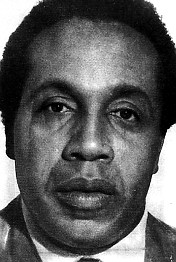
Back then, there were gangs each lead by drug lords and there used be constant rivalry between them. Frank Lucas (picture left) was one of the very famous drug lords. The 2007 movie "American Gangster" is based on his life. In the 1990's when in America, crime rate began to fall drastically, the business of crack dealing also abated. (or let's say pushed deeper into the shadows and forced to operate in even more secrecy). But crack still continues to be widely consumed, thanks to local crack dealers and dealers from other countries like Mexico, who somehow are able to evade the authorities. It's also popular especially among the teenagers belongings to poor or broken families. Lost and uncared for, many of then opt for crime and drug abusing. It has had a tremendous effect on our society.

In India, crack is not so popular, as are weed and alcohol. And let's hope it stays that way or else we also might face the fate which threated to bring down the US economy in the 1980s.


No comments:
Post a Comment